

Let's be honest, pain during sex isn't something most people talk about, even with close friends. There's a stigma attached to it, and that keeps many men and women suffering in silence when the problem is often very treatable. If you've been dealing with discomfort during intimacy and you're searching for a Sexologist in Ahmedabad, know this: getting checked out early usually makes all the difference between a quick fix and a drawn-out problem.
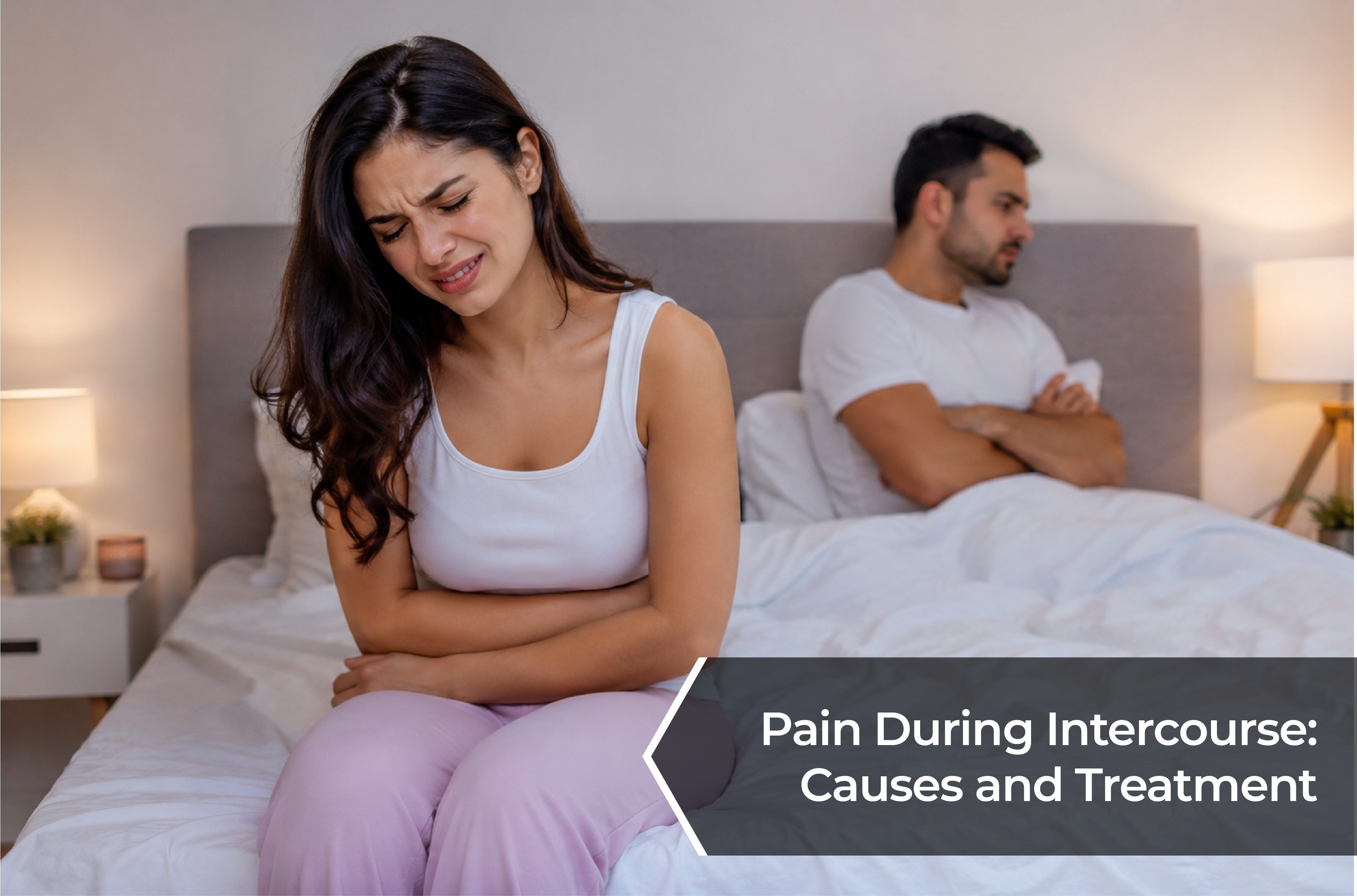
So What Exactly Is "Painful Intercourse"?
In medical terms, it's called dyspareunia, but it just means pain that shows up before, during, or after sex. Sometimes it is a sharp sting at the entrance. Other times it's a dull ache buried deep in the pelvis that lingers for hours afterwards. For some people, it happens once in a blue moon; for others, it's every single time.
And it's not just physical. Pain like this can chip away at your confidence, put a strain on your relationship, and leave you dreading intimacy instead of looking forward to it. The reassuring part is that once you figure out what's causing it, most cases respond well to treatment.
What's Behind the Pain?
The reasons differ quite a bit between men and women, and honestly, it's not unusual for more than one factor to be at play at the same time.
For Women, It's Often One of These
- Vaginal dryness is especially common after menopause or in the months following childbirth
- Infections, including yeast infections, bacterial vaginosis, or STIs
- Endometriosis
- Pelvic inflammatory disease
- Ovarian cysts
- Uterine fibroids
- Vaginismus, where the vaginal muscles clench up involuntarily, making penetration difficult
- Skin conditions around the genital area
- Hormonal changes in general, not just menopause
- Old injuries from childbirth or pelvic surgery
For Men, the List Looks a Bit Different
- Foreskin problems
- Infections of the penis
- Urinary tract infections
- Prostatitis (inflammation of the prostate)
- Peyronie's disease, which curves the penis in a way that makes sex painful
- STIs
- Physical injury
- Allergic reactions to condoms or lubricants
But It's Not Always Something Physical
The mind is genuinely capable of causing physical pain during sex, no infection required. Common psychological triggers include :
- Performance anxiety
- Everyday stress
- Tension in the relationship
- Past sexual trauma
- Simply fearing it will hurt, which, ironically, can make it hurt more
Okay, But When Do You Actually Need to See a Sexologist?
Don't wait if :
- The pain returns, it’s not just a one-off.
- There’s swelling, redness or sores around the genitals.
- You see discharge or bleeding that seems off.
- The pain is bad enough that you've started avoiding sex entirely.
- You have a fever alongside pelvic pain.
- You have any grounds to suspect an STD.
The earlier you get checked, the easier it is to fix.
Treating Painful Intercourse
The right treatment really depends on what's causing the pain in the first place.
Medication
Depending on the diagnosis, this could mean the following :
- Antibiotics if it's bacterial
- Antifungal treatment for yeast infections
- Hormone therapy for dryness related to menopause
- Something for pain relief, if needed
Lubricants
Sounds simple, but a good water-based lubricant can make a real difference, especially when dryness is the main issue.
Pelvic Floor Physical Therapy
If vaginismus or tight pelvic floor muscles are the problem, physiotherapy and targeted relaxation exercises can be quite beneficial.
Talking It Through
When anxiety, stress, or relationship tension is feeding into the pain, counselling or sex therapy can go a long way, not just for the pain itself, but for rebuilding confidence and communication with your partner.
Treating the Root Cause
Things like endometriosis, fibroids, prostatitis, or Peyronie's disease need their own dedicated treatment plans. Once the underlying condition is under control, the pain during sex often eases up, too.
How Do You Prevent It?
Every situation is different, but a few habits tend to help :
- Practice safe sex
- Drink enough water throughout the day
- Use lubrication if dryness tends to be an issue for you
- Don't brush off infections when they show up, get them treated
- Keep up with basic genital hygiene
- Talk to your partner about what actually feels good and what doesn't
- Stick to regular checkups instead of skipping them
- If something feels off, get it checked early rather than waiting it out
Bottom Line
Pain during intercourse isn't something to just push through or stay quiet about. Whatever causes it, an infection, hormones, a pelvic condition, or something more emotional, getting help from an expert sexologist at Mind Care Hospital can really improve your sex life and your overall health. If it's been bothering you, call 83205 96472 and talk to a professional who can properly diagnose it and map out a treatment plan that actually fits your situation.